Buy-to-let mortgages: how UK BTL lending works
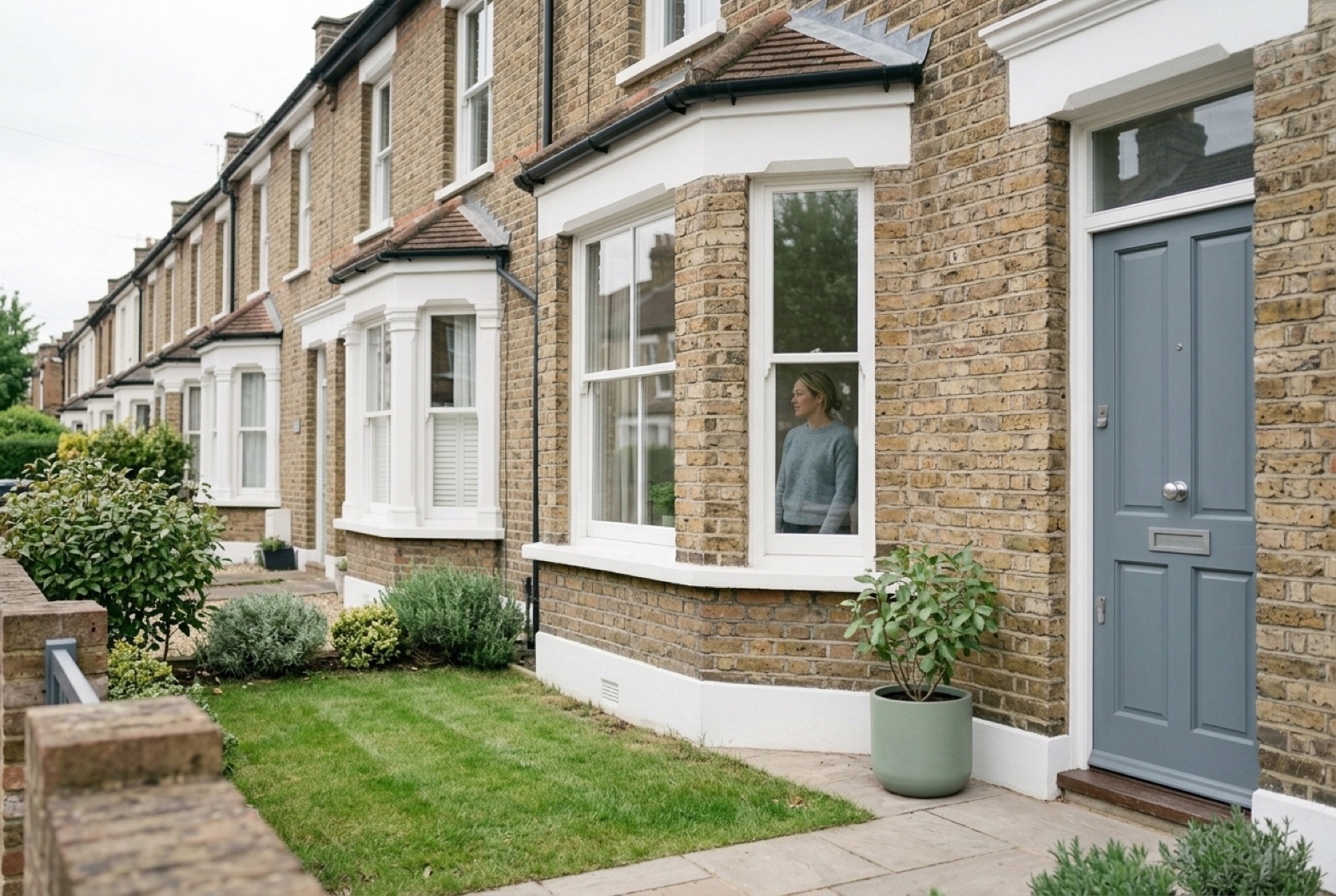
A buy-to-let mortgage is a loan to buy or refinance a property you let out, where the lender mainly assesses the rent rather than your salary. It uses a rental cover test (the rent must exceed the mortgage interest by a set margin at a stressed rate), usually needs around a 25% deposit. Most buy-to-let lending is not regulated by the FCA. How you hold the property, in your personal name or through a limited company, changes both the tax and the lending.
A buy-to-let is a business decision as much as a property one. The rest of this guide explains how lenders size the loan, the choice between owning personally or through a company, and the specialist cases (portfolios, HMOs, holiday lets) that need their own lenders.
How lenders size a buy-to-let loan
The key number is the rental cover, often called the interest cover ratio (ICR). The lender checks that the expected monthly rent covers the mortgage interest by a set percentage, tested at a stressed interest rate rather than the pay rate. Basic-rate and limited-company borrowers usually face a gentler stress test than higher-rate individual borrowers, which is one reason so many landlords have moved to company ownership. Your own income still matters for some lenders, but the rent does most of the work.
Pick your situation
What lenders want to see
- A deposit, commonly around 25% of the property value.
- Rent that passes the lender's stressed rental cover test.
- For some lenders, a minimum personal income and existing property experience.
- For HMOs, holiday lets and portfolios, a lender that specialises in that type.
Common questions
How is the amount I can borrow on a buy-to-let decided?
Mainly by the rent, not your salary. Lenders apply a rental cover calculation (often called ICR), checking the expected rent covers the mortgage interest by a set percentage at a stressed interest rate. Higher-tax-rate and personal-name borrowers usually face a tougher test than basic-rate or limited-company borrowers.
Do I need a deposit of 25%?
Commonly yes. Most buy-to-let lending sits around 75% loan-to-value, so a 25% deposit is typical, though some lenders go higher or lower depending on the property and borrower. Specialist cases such as HMOs and holiday lets can need more.
Is buy-to-let regulated by the FCA?
Most buy-to-let mortgages are not regulated by the FCA. A minority, known as consumer buy-to-let (for example where you let a property you used to live in, or let to a close family member), are regulated. A broker confirms which type applies to you.
Should I buy in my own name or through a company?
It depends on your tax position and plans. Since the phasing out of full mortgage-interest tax relief for individuals, many landlords use a limited company (SPV), but company mortgages can carry higher rates and fees. This is a tax question as much as a mortgage one, so take tax advice alongside the mortgage advice.
Self-employed or a company director too? See self-employed mortgages. Coming off a fixed rate on a rental? See the buy-to-let remortgage guide.

Founder, MortgageExplained
Adam spent over eight years as a mortgage adviser at Just Mortgages, with further experience in commercial finance. He is CeMAP and CF qualified. He built MortgageExplained to do one thing well: explain mortgages in plain English, so you know where you stand before you speak to a regulated broker. Every page on the site is written by Adam.
Last reviewed: